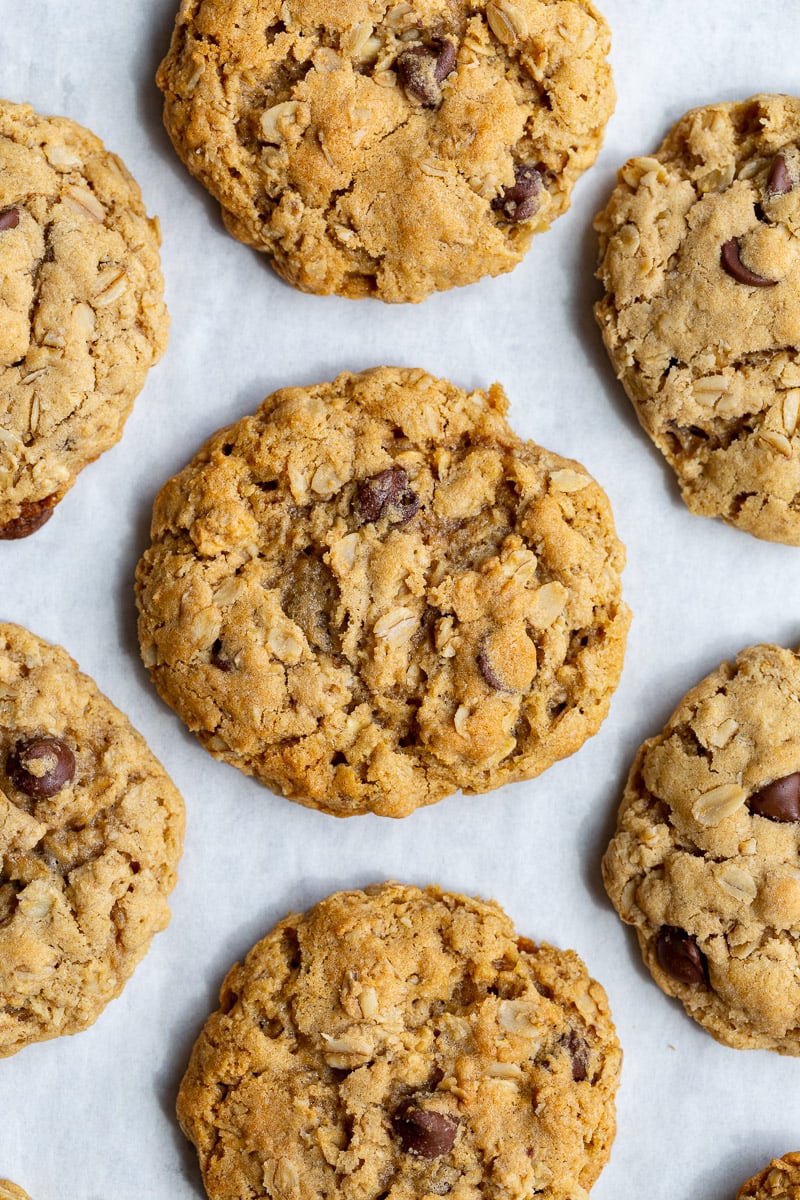
Mastering Thick & Chewy Gluten-Free Oatmeal Cookies
There's a certain comfort that only a perfectly baked oatmeal cookie can provide. That golden-brown exterior, the comforting aroma of oats and spice, and the satisfying chewiness that just melts in your mouth – it's pure bliss. For those navigating the world of gluten-free baking, achieving that quintessential thick and chewy texture can sometimes feel like a quest. But rest assured, creating gluten-free oatmeal cookies that rival (or even surpass) their traditional counterparts is not just possible, it's incredibly rewarding. This comprehensive guide will arm you with the knowledge and techniques to bake masterpieces every time, ensuring your cookies are packed with flavor, wonderfully moist, and boast that irresistible, toothsome texture.
The Foundation of Flavor: Oats and Butter
At the heart of any exceptional oatmeal cookie are, naturally, the oats themselves. For gluten-free bakers, selecting the right oats is paramount. Always opt for certified gluten-free old-fashioned rolled oats. This label is crucial to prevent cross-contamination from gluten-containing grains during processing. Beyond their GF status, rolled oats are essential for texture, providing that classic chewiness and absorbing moisture to help maintain the cookie's structure.
But we're not just aiming for good; we're aiming for extraordinary. One simple yet transformative technique to elevate your gluten-free oatmeal cookies is toasting the oats or browning your butter (or both!).
- Toasted Oats: Gently toasting your rolled oats in a dry pan over medium heat for a few minutes, or even spreading them on a baking sheet and toasting them in the oven, unlocks a deeper, nuttier flavor profile. This process, often referred to as the Maillard reaction, enhances their natural aroma and adds incredible complexity, moving beyond a simple oat taste to something truly special.
- Browned Butter: The nutty, caramel notes of browned butter are a baker's secret weapon. As butter melts and cooks past the point of clarity, its milk solids toast, imparting a rich, complex flavor that complements the oats beautifully. Using browned butter in your dough adds another layer of depth, creating a more sophisticated and memorable cookie. It’s a trick that takes these cookies to another level, adding an interest and nutty flavor that’s hard to beat. For an even deeper dive into these flavor-enhancing methods, you might find our article on Gluten-Free Oatmeal Cookies: Browned Oats & Old-Fashioned Icing incredibly useful.
Achieving That Irresistible Thick & Chewy Texture
The quest for thick and chewy gluten-free oatmeal cookies hinges on understanding how each ingredient contributes to the final structure and mouthfeel. It's a delicate balance, and mastering it means consistently delightful results.
The Role of Gluten-Free Flour Blends
Unlike traditional baking where gluten provides elasticity and structure, gluten-free baking relies heavily on the quality and composition of your flour blend. A good gluten-free all-purpose flour blend is crucial for binding the rolled oats together and providing the necessary structure to prevent crumbling. Many commercial blends are available, but not all are created equal when it comes to specific applications like chewy cookies.
- Xanthan Gum: This often-added ingredient acts as a binder and thickener, mimicking the elasticity of gluten. If your chosen blend (like Bob's Red Mill 1-to-1) doesn't explicitly state it contains xanthan gum, you'll likely need to add a small amount (around 1/4 teaspoon per cup of flour) to achieve that desired chewiness and prevent your cookies from becoming too crumbly. High-performing blends like Better Batter's classic blend or Nicole's Best multipurpose often already include it, ensuring optimal results.
- Choosing Wisely: The type of GF flour blend can significantly impact your cookies. Some blends might lead to a drier, more crumbly cookie, while others contribute to a moister, chewier result. It’s important to select a blend that performs well in small amounts, as each cookie typically contains only about a tablespoon of flour, emphasizing its critical role in structure. For more in-depth advice on selecting and using gluten-free flours, check out our Essential GF Flour Tips for Chewy Oatmeal Cookies.
The Sweet Science: Sugar Ratios and Their Impact
Sugar does more than just sweeten your cookies; it plays a vital role in their texture, spread, and caramelization.
- Granulated Sugar: This white sugar contributes to crispness around the edges and helps the cookies spread during baking. As it cools, it crystallizes, creating that desirable slight crunch.
- Brown Sugar: A powerhouse for chewiness and flavor. The molasses content in brown sugar adds moisture, which is key for a soft, chewy interior. It also imparts a rich caramel flavor and aroma, deepening the cookie's complexity and helping to control spread, preventing overly flat cookies. The acidic component of brown sugar also reacts with baking soda, aiding in a slight rise and promoting browning. A balanced ratio of white and brown sugar is crucial for achieving that perfect harmony of crisp edges and a soft, chewy center.
Beyond Flour and Sugar: Baking Soda, Butter, and Add-ins
- Baking Soda: Essential for browning and providing a slight lift. It reacts with the acid in brown sugar, contributing to the cookie's rise and overall texture.
- Butter: Beyond its role in browning, butter adds richness, moisture, and that unmistakable buttery flavor that defines a truly satisfying cookie.
- Strategic Add-ins: While optional, additions like chocolate chips, dried fruit, or nuts can enhance texture and flavor. However, be mindful of their quantity. A smaller amount of chocolate chips, for instance, adds texture and chocolate flavor without overpowering the oats and brown sugar, while also helping to manage the dough's moisture content and control spread.
Elevating Your Gluten-Free Oatmeal Cookies: Customization and Convenience
Once you've mastered the foundational elements, the world of customization opens up, allowing you to tailor your gluten-free oatmeal cookies to your exact preferences.
Personalizing Your Cookies: Creative Add-ins
The beauty of oatmeal cookies lies in their versatility. While classic, plain versions are wonderful, adding other ingredients can transform them into new culinary experiences:
- Dried Fruits: Raisins are traditional, but consider dried cranberries for a tart counterpoint, chopped dried apricots for a chewy sweetness, or even dried cherries for a touch of elegance.
- Nuts: Toasted walnuts, pecans, or almonds add a delightful crunch and nutty flavor. For an even richer, chewier texture, incorporate a tablespoon or two of almond butter or peanut butter into the dough.
- Chocolate: While the reference suggests a smaller amount of chocolate chips to control moisture and allow oat flavor to shine, feel free to experiment. Dark chocolate chips, milk chocolate chunks, or even white chocolate can add different dimensions of sweetness and richness.
- Spices: Don't underestimate the power of a pinch of cinnamon, nutmeg, or even a hint of allspice to complement the earthy notes of the oats and the caramel of the brown sugar.
The Old-Fashioned Icing Touch
For a truly nostalgic experience, consider topping your gluten-free oatmeal cookies with an old-fashioned icing. The Spinach Tiger recipe highlights this beautifully, noting that if you plan to ice your cookies, you can (and should) reduce the sugar in the dough. This creates a perfect balance, where the dough provides a less-sweet, oaty canvas, and the glaze adds that extra layer of sugary indulgence.
- Authentic Icing: For the most authentic taste, an icing made with heavy cream offers a rich, smooth finish that complements the cookie's robust flavor. It’s a nod to bakery-style treats and adds a lovely visual appeal. This approach offers a delightful contrast to the cakey, chewy texture of the cookie itself.
Smart Baking: Freezing Dough & Cookies
One of the most practical tips for any home baker, especially those with specific dietary needs, is to leverage your freezer. Both the raw cookie dough and baked cookies freeze beautifully, making them perfect for on-demand treats or meal prep.
- Freezing Dough: Portion out your dough into individual balls and freeze them on a baking sheet until solid. Then, transfer them to an airtight freezer bag. You can bake them from frozen (adding a few extra minutes to the baking time) whenever a craving strikes, ensuring fresh-baked cookies with minimal effort.
- Freezing Baked Cookies: Allow baked cookies to cool completely before freezing them in an airtight container, separated by parchment paper. Thaw them at room temperature or warm them gently for a fresh-out-of-the-oven experience. This convenience means you can always have delicious, thick, and chewy gluten-free oatmeal cookies on hand for snacks, unexpected guests, or a simple moment of self-care.
Troubleshooting Common Gluten-Free Baking Challenges
Even with the best intentions, baking can sometimes present unexpected hurdles. Here are quick tips for common gluten-free oatmeal cookie issues:
- Cookies are too crumbly: Likely a lack of binder (xanthan gum) or insufficient moisture. Check your GF flour blend, or add a little extra liquid (milk/water/nut butter) next time.
- Cookies are too flat: Could be too much granulated sugar, not enough flour, or butter that's too warm. Ensure butter is room temperature but not melted. Chilling the dough for 30 minutes can also help control spread.
- Not chewy enough: Often due to too much granulated sugar, not enough brown sugar, or overbaking. Reduce baking time slightly, and ensure a good brown-to-white sugar ratio.
With these insights, you're now equipped to master the art of baking truly exceptional thick and chewy gluten-free oatmeal cookies. From the foundational choice of certified gluten-free oats and the transformative power of toasted oats or browned butter, to the nuanced roles of various sugars and flour blends, every element contributes to the final, delectable result.
Embrace the journey of experimentation with different add-ins or the nostalgic touch of an old-fashioned icing. The satisfaction of pulling a tray of perfectly textured, flavor-packed cookies from the oven is unparalleled. So, gather your ingredients, preheat your oven, and prepare to delight your taste buds with gluten-free oatmeal cookies that will have everyone asking for your secret recipe.
